RISING GBV CASES DEMAND URGENT ACTION AS KENYA HEADS TOWARDS ELECTIONS
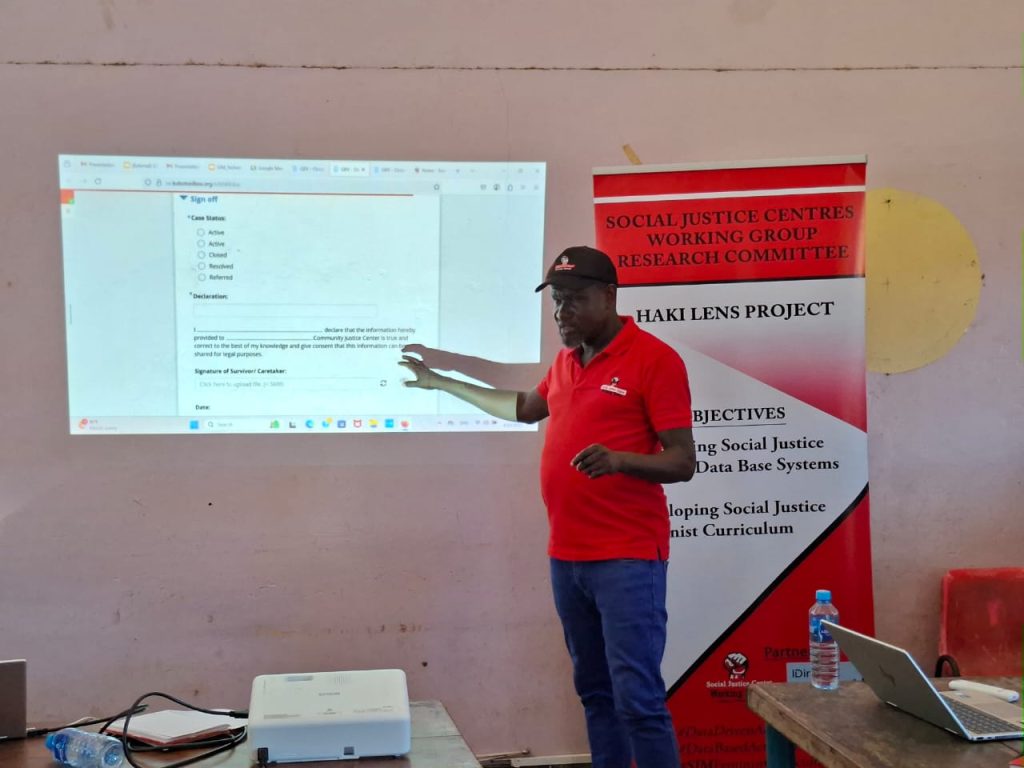
As Kenya gradually shifts its attention towards the next electoral cycle, another crisis continues to grow in the shadows: Gender-Based Violence (GBV). While political actors prepare for campaigns and realignments, thousands of women, girls, and vulnerable members of society continue to face violence in their homes, communities, workplaces, and online spaces.Recent independent reports by Human Rights Watch and the Social Justice Centres Working Group, drawing on data documented through the Haki Lens, a digital human rights violations reporting platform, indicate a worrying rise in gender-based violence cases across Kenya. indicate that GBV and femicide remain persistent national concerns, with many cases never making it into official records due to fear, stigma, and lack of confidence in justice systems.
The tragedy is that this crisis did not emerge overnight. The State has repeatedly been warned by civil society organizations, human rights defenders, and community networks that GBV was steadily increasing. Yet the response has often been reactive rather than preventive. Today, law enforcement agencies appear overstretched by multiple security and governance demands, leaving many survivors feeling abandoned when they seek justice.
Data collected by the Social Justice Movement through its Haki Lens system indicates a worrying rise in GBV cases across various communities. Community monitors report that many survivors are reluctant to report abuse because they fear being dismissed, blamed, or subjected to endless delays without meaningful follow-up. This culture of silence allows perpetrators to act with impunity while survivors continue to suffer in isolation.
National statistics and independent reports paint a similar picture. Cases of sexual violence, domestic abuse, and femicide continue to be reported across the country, while experts warn that many more incidents remain undocumented due to underreporting and weak support systems. Survivors frequently face barriers such as stigma, intimidation, inadequate investigations, and limited access to psychosocial and legal support.
As the country approaches another election period, there is a genuine fear that political tensions, economic hardship, and weakened community protections could further expose women and vulnerable groups to violence. The State must act now. Strengthening gender desks, improving investigations, ensuring survivor protection, supporting shelters, and holding perpetrators accountable should not be optional commitments but national priorities.
GBV is not merely a women’s issue; it is a human rights crisis and a threat to social justice. Every delayed response, ignored report, or failed investigation emboldens perpetrators. Kenya cannot afford to wait until the numbers become even more alarming. The time for decisive action is now.