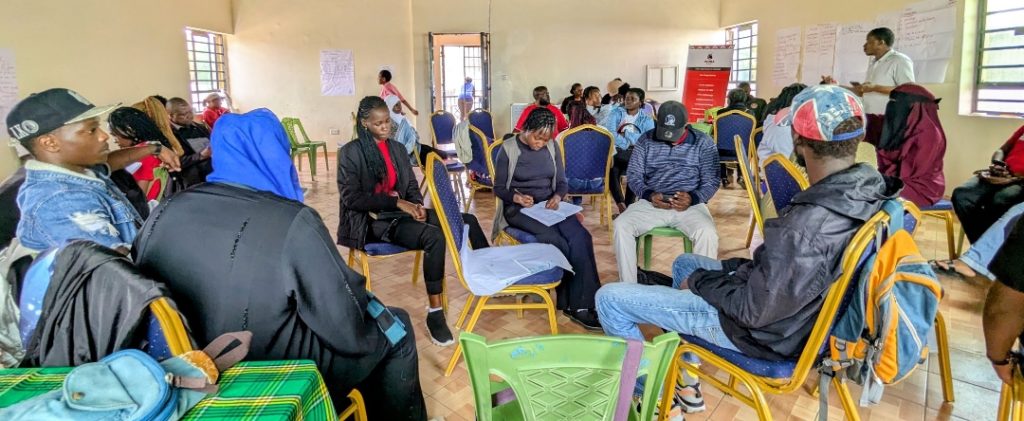
𝗦𝘁𝗿𝗲𝗻𝗴𝘁𝗵𝗲𝗻𝗶𝗻𝗴 𝗚𝗿𝗮𝘀𝘀𝗿𝗼𝗼𝘁𝘀 𝗖𝗮𝗽𝗮𝗰𝗶𝘁𝘆 𝗳𝗼𝗿 𝗗𝗶𝗴𝗶𝘁𝗮𝗹 𝗢𝗿𝗴𝗮𝗻𝗶𝘀𝗶𝗻𝗴
Grassroots organisers and community activists came together at Mukuru Community Justice Center for a two-day training focused on strengthening grassroots capacity for digital organising and building stronger connections between online engagement and action on the ground.
The training created a practical space for participants to explore how digital platforms can be used to amplify real community struggles, build campaigns and mobilise people around issues affecting their communities.
Rather than treating digital spaces as separate from grassroots organising, the training focused on how online tools can complement and strengthen organising work already taking place within communities.
𝗙𝗿𝗼𝗺 𝗖𝗼𝗺𝗺𝘂𝗻𝗶𝘁𝘆 𝗦𝘁𝗿𝘂𝗴𝗴𝗹𝗲𝘀 𝘁𝗼 𝗗𝗶𝗴𝗶𝘁𝗮𝗹 𝗖𝗮𝗺𝗽𝗮𝗶𝗴𝗻𝘀
Participants worked with real community struggles and experiences to develop practical digital campaign plans. The sessions explored how organisers can identify an issue, communicate its impact, build public awareness and create pathways for people to participate beyond simply liking, sharing or commenting on content.
The emphasis was on moving from online attention to collective action.
Participants examined how digital storytelling, strategic messaging, social media platforms and coordinated online activities can help communities reach wider audiences while maintaining the leadership and ownership of those directly affected by an issue.
𝗕𝗿𝗶𝗱𝗴𝗶𝗻𝗴 𝘁𝗵𝗲 𝗢𝗻𝗹𝗶𝗻𝗲 𝗮𝗻𝗱 𝗢𝗳𝗳𝗹𝗶𝗻𝗲
Digital organising can create visibility and bring people together, but meaningful change requires organised communities capable of taking collective action.
The training therefore emphasised the importance of building a clear bridge between digital engagement and physical organising — from online conversations to community meetings, petitions, public advocacy, solidarity actions and other forms of collective participation.
The guiding principle throughout the training was clear:
𝗗𝗶𝗴𝗶𝘁𝗮𝗹 𝗼𝗿𝗴𝗮𝗻𝗶𝘀𝗶𝗻𝗴 𝘀𝗵𝗼𝘂𝗹𝗱 𝘀𝘁𝗿𝗲𝗻𝗴𝘁𝗵𝗲𝗻 𝗴𝗿𝗮𝘀𝘀𝗿𝗼𝗼𝘁𝘀 𝗼𝗿𝗴𝗮𝗻𝗶𝘀𝗶𝗻𝗴, 𝗻𝗼𝘁 𝗿𝗲𝗽𝗹𝗮𝗰𝗲 𝗶𝘁.
𝗡𝗮𝘃𝗶𝗴𝗮𝘁𝗶𝗻𝗴 𝗗𝗶𝗴𝗶𝘁𝗮𝗹 𝗥𝗶𝘀𝗸𝘀
The training also addressed some of the risks that grassroots organisers face in digital spaces, including harassment, misinformation and other forms of online intimidation.
Participants explored practical approaches to identifying misinformation, responding to harmful narratives and protecting organisers and community members while maintaining an effective digital presence.
For grassroots movements, digital security and resilience are increasingly part of organising itself. The ability to communicate safely, respond to misinformation and protect community voices is essential to sustaining campaigns and building public trust.
𝗕𝘂𝗶𝗹𝗱𝗶𝗻𝗴 𝗦𝘁𝗿𝗼𝗻𝗴𝗲𝗿 𝗚𝗿𝗮𝘀𝘀𝗿𝗼𝗼𝘁𝘀 𝗠𝗼𝘃𝗲𝗺𝗲𝗻𝘁𝘀
The two-day training reinforced the importance of combining technology with the organising principles that have always driven grassroots movements: community participation, collective action, solidarity and leadership from those directly affected by social and economic injustices.
Digital platforms can expand the reach of a community struggle, but it is organised people who turn visibility into action.
As grassroots movements continue to navigate an increasingly digital public sphere, strengthening digital organising capacity is therefore not about moving organising away from the community. It is about giving communities more tools to organise, communicate, mobilise and amplify their struggles.
Digital tools are powerful. Organised communities are stronger.