Election Monitoring Bulletin – Week One: Curbing Political Incitement to Prevent Post-Election Violence
The Social Justice Movement has officially commenced its year-long Election Monitoring Programme, which will observe and document developments throughout the entire electoral cycle—from the campaign period, voter mobilization, and electoral administration to polling day, results management, dispute resolution, and the post-election period. Through this initiative, the Movement seeks to promote peaceful, credible, transparent, and rights-based elections by monitoring emerging trends that may threaten democratic participation and constitutional order.
In the first week of monitoring, the Social Justice Movement highlights political incitement as a significant early warning indicator for potential electoral violence. Experience from previous electoral cycles has demonstrated that inflammatory political rhetoric, hate speech, ethnic profiling, misinformation, and public statements that encourage hostility can rapidly escalate tensions and undermine peaceful democratic processes. Left unchallenged, such conduct creates an environment of fear, mistrust, and polarization that can ultimately culminate in violence during or after elections.
Political competition should be founded on ideas, public policy, and accountability—not on threats, intimidation, or narratives that pit communities against one another. The Constitution guarantees every Kenyan the right to participate in political affairs freely and without fear. Political leaders, parties, candidates, and their supporters therefore have a responsibility to conduct campaigns that uphold national unity, respect human dignity, and protect the rights of all citizens, regardless of their political affiliation or ethnic background.
The consequences of political incitement extend far beyond the election period. Electoral violence often results in loss of life, injuries, displacement of families, destruction of homes and businesses, and long-term social and economic disruption. It also weakens public confidence in democratic institutions, erodes trust in electoral outcomes, and leaves communities divided long after elections have concluded. Preventing these outcomes requires early intervention and consistent accountability throughout the electoral process.
As part of its election monitoring initiative, the Social Justice Movement will continue documenting incidents of political incitement, hate speech, intimidation, misuse of public resources, state repression, disinformation, restrictions on civic space, and other human rights violations that may compromise electoral integrity. Findings from this monitoring process will be shared through periodic public bulletins, advocacy engagements, and recommendations aimed at strengthening democratic governance and safeguarding fundamental rights and freedoms.
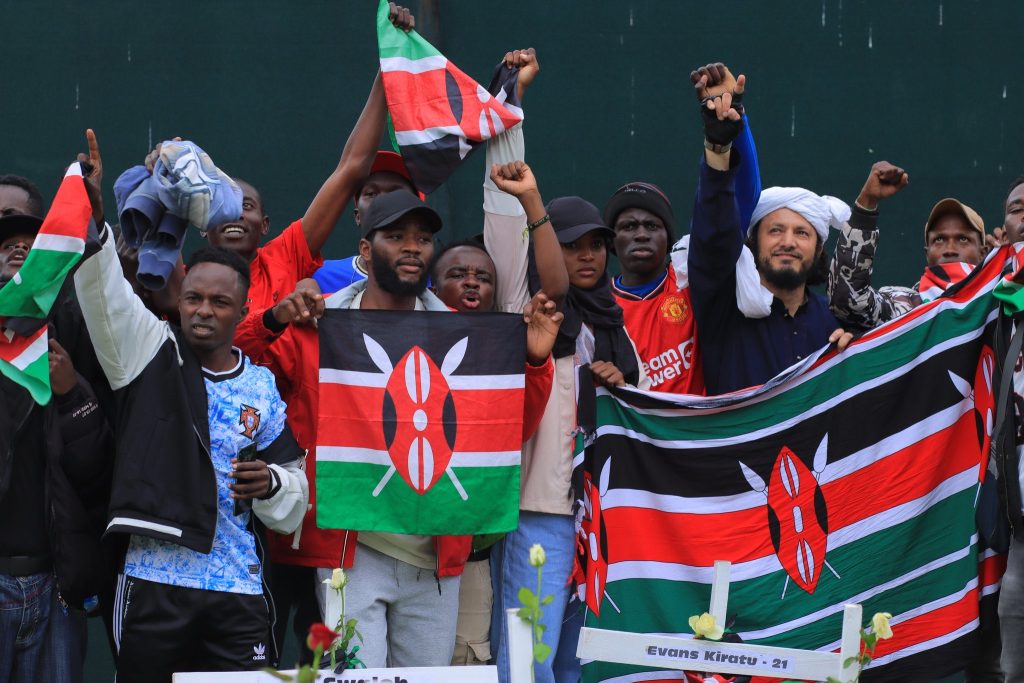
The Social Justice Movement calls upon political parties, candidates, state institutions, independent commissions, the media, civil society organizations, faith-based institutions, and citizens to reject all forms of political incitement and violence. We urge relevant institutions to enforce existing laws fairly and impartially while holding individuals accountable for conduct that threatens peaceful elections.
The foundation of peaceful elections is laid long before ballots are cast. By promoting respectful political discourse, defending human rights, and addressing early warning signs of conflict, Kenya can strengthen its democracy and ensure that elections remain a peaceful expression of the people’s sovereign will rather than a trigger for violence. The Social Justice Movement remains committed to monitoring the electoral cycle and advancing a democratic process grounded in justice, accountability, inclusion, and peace.
fwvwxetuygstxdlwvwtxhrfiuztvkd